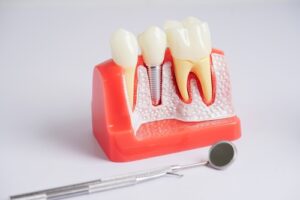
Dental implants have revolutionized dentistry by giving those who are losing teeth a long-lasting solution. In place of uncomfortable and maintenance-intensive traditional dentures or bridges, dental implants provide a long-lasting and visually beautiful solution. An implant is a titanium post inserted surgically into the jaw to serve as the root of a new tooth. This post progressively integrates with the bone through a process called osseointegration to offer durability and stability.
There are several reasons why dental implants could be required, including periodontal disease, deterioration, or trauma. Many people have appearance-related self-consciousness after losing a tooth, which can significantly lower their quality of life. Dental implants enhance oral functionality and aesthetic appeal, allowing people to smile, chew, and communicate with confidence.
A thorough examination and a consultation with a dentist are typically required before the placement of dental implants. X-rays and maybe a 3D scan may be used in this evaluation to assess the bone structure and determine whether there is enough bone density to support the implant. When there is not enough bone for a successful implantation, procedures like bone grafting may be necessary. This first preparation phase is essential as it provides a stable foundation for the implant and increases the likelihood of a positive outcome.
After the preliminary evaluations are finished, the dental implant process begins with the surgical implantation of the titanium post. During this treatment, a local anesthetic is given to minimize discomfort. After implantation, a few months of healing are required for osseointegration to take place. During this time, the jawbone grows around the post, securing it in place. Patients need to follow their dentist’s post-operative care advice throughout this healing time. These instructions may include refraining from eating certain foods and practicing good oral hygiene.
Following the healing phase, patients return to the dentist to have the abutment placed. An abutment is a small component of the new tooth that is visible and connects the implant post to the crown. After the abutment is installed, the mouth is imprinted to create a customized crown that closely resembles the size, shape, and color of the neighboring teeth. This exacting attention to detail will ensure that the replacement tooth blends in flawlessly with the patient’s natural smile.
One of the key advantages of dental implants is its long lifespan. If given the proper care, which includes regular dental checkups and proper oral hygiene habits, implants can last a lifetime. Their longevity makes them a more cost-effective solution than traditional bridges or dentures, which may need to be altered or replaced over time. The jawbone is also maintained with the help of dental implants. The jawbone may deteriorate as a result of the lack of stimulation brought on by tooth loss. Dental implants provide the bone with the stimulation it needs to be strong and healthy, maintaining facial structure and preventing further tooth loss.
Patients frequently have questions and concerns regarding dental implants. Fears of pain and suffering are among the prevalent misconceptions. However, most patients report that the procedure doesn’t hurt too much, particularly if anesthesia is utilized. The post-operative pain normally subsides in a few days and can be effectively managed with over-the-counter medicines.
Another concern that potential candidates might have is the cost of dental implants, which might be higher than that of alternative tooth replacement options. Long-term benefits and implant durability should be considered, even though the initial cost may seem excessive. Many dental insurance plans include some coverage for implants, and dentist offices usually offer flexible payment options to lower the cost of the procedure. If you need implants, you can visit the people at https://puredentalspa.com/wicker-park/
In conclusion, for those who are losing their teeth, dental implants are a revolutionary solution. Because they can enhance appearance, return function, and improve quality of life, patients choose them. Despite the initial expenditure and recuperation period, many people discover that the procedure results in a long-lasting and natural-looking replacement that is better to conventional dentures and bridges. As dental technology and techniques advance, dental implants will likely remain a popular option for individuals seeking to improve their oral health and confidence. Whether you are considering dental implants or are simply investigating your options for replacing your teeth, talking with a qualified dental specialist may provide you the knowledge you need to make the best choice for you.