Oral surgery is a large area that includes several surgical techniques involving the mouth, jaw, and facial features. Oral and maxillofacial surgeons with specialized training in this field typically perform it. These professionals are skilled in recognizing and treating conditions related to the hard and soft tissues of the oral cavity. Oral surgery can cure a wide range of issues, including impacted teeth, deformities of the jaw, and injury to the face. Wisdom tooth extractions are one of the most common reasons for dental surgery. Third molars, or wisdom teeth, can become impacted due to limited space in the jaw. This could lead to an infection, pain, and other problems. These teeth need to be surgically extracted, which is a frequent procedure that is usually done under sedation or local anesthesia to ensure the patient’s comfort. Most patients can return to their normal activities after having their wisdom teeth out in a few days, though there might be some swelling and discomfort as they heal.
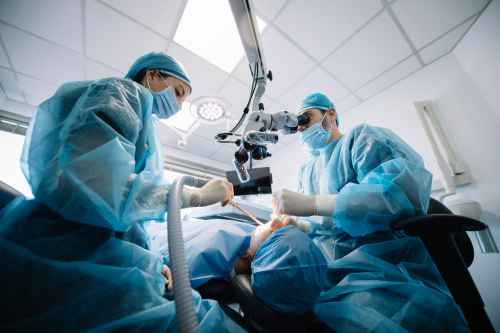
An additional common oral surgery treatment is dental implant placement. In this surgery, a titanium post is implanted into the mandible to replace the lost tooth’s root. Dental implants are the recommended long-term solution for tooth loss due to their utility and natural appearance. The procedure consists of multiple parts, including the initial implant insertion, the healing phase for osseointegration (the process by which the bone joins with the implant), and the implantation of a crown over the implant. Patients often lead better lives as a result of dental implants because they feel more confident when speaking, eating, and smiling. Oral surgery plays a major role in orthognathic surgery, which aligns with mismatched jaws. This type of surgery realigns the jaws and enhances face attractiveness and biting function. Patients with problems including as underbites, overbite, or facial asymmetries may benefit from this procedure. In order to get the greatest results, a comprehensive treatment plan is usually necessary, which includes orthodontics both before and after the procedure.
In addition to these procedures, oral surgery can treat problems of the mouth and jaw, including tumors and cysts. These growths may need to be surgically removed, and a biopsy may be performed to determine the type of growth—benign or malignant. This highlights how important it is to have regular dental exams since early detection can lead to better treatment results. When sports-related injuries or accidents cause mandibular or facial trauma, oral surgery becomes even more crucial. Trained maxillofacial surgeons repair fractures of the jaw, cheekbones, and other facial features. Owing to the complexity of these injuries, combining surgical techniques is often necessary to restore both function and aesthetics.
Treatments for oral surgery may also involve soft tissue operations, such as the removal of tumors, cysts, or fibromas. These procedures, however less invasive, are essential for maintaining dental health and preventing issues down the road. For those with severe dental anxiety, sedation dentistry techniques can be used to reduce anxiety and make oral surgery less stressful. Depending on the patient’s needs and the complexity of the treatment, either a deeper sedation technique or light nitrous oxide (laughing gas) may be employed.
Post-operative care is an essential part of oral surgery that affects recovery time and final results. Patients typically receive thorough advice on how to manage dietary limitations, edema, and pain. Setting up follow-up appointments is crucial for monitoring recovery and addressing concerns. While significantly speeding up recovery, adhering to post-operative care guidelines can help lower the chance of infection and other issues.
Patients must communicate any concerns they may have with their oral surgeon before surgery. Keeping lines of communication open with patients can help them feel less anxious and ensure that they understand the procedure, the recuperation period, and the expected outcomes. For many patients, it might make the therapy more tolerable because they feel more comfortable knowing what to anticipate.
In summary, oral surgery encompasses a variety of procedures aimed at improving oral health and function. From tooth extractions and dental implants to jaw realignment and treating oral diseases, oral surgeons are crucial in the treatment of complex dental disorders. The results of oral surgery are now more successful and predictable, thanks to continuous advancements in technology and procedures, providing patients with long-lasting solutions to their dental issues. Regardless of whether it is utilized for more complex or lesser procedures, oral surgery is still an essential part of dental treatment.