For your child’s general development and health, it is imperative that you take good care of their baby teeth. Primary teeth, sometimes referred to as baby teeth, have a number of vital roles. In addition to helping your child speak effectively and digest food correctly, they also serve as a guide for the eventual emergence of permanent teeth. Even while baby teeth may eventually fall out, maintaining healthy teeth and gums throughout life requires early adoption of appropriate oral hygiene practices.
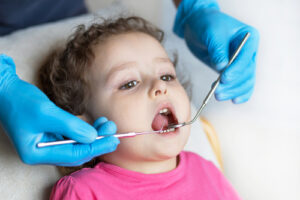
The Value of Infant Teeth
Although this might vary, baby teeth usually start to erupt about six months of age. Your child will probably have all 20 primary teeth by the time they turn three. These teeth are essential to your child’s growth and well-being, even though they will eventually fall out. The development of speech, healthy eating and digestion, and the right alignment of your child’s permanent teeth are all facilitated by baby teeth.
In addition to preventing early tooth decay, taking good care of baby teeth lays the groundwork for future healthy permanent teeth. Early dental neglect can result in cavities and other dental issues that can impact the subsequent adult teeth. Untreated cavities in infant teeth, for instance, might result in infections and possibly affect how permanent teeth develop.
Brushing and Flossing Should Be Done First
You should begin scrubbing your baby’s gums on a regular basis even before their first tooth erupts. After feedings, gently use a soft, moist washcloth to wipe their gums. This lessens the possibility of bacterial accumulation by removing any milk or food remnants.
Brushing should begin as soon as the first teeth erupt, which is often between six and twelve months. Use a child-sized toothbrush with soft bristles and a tiny bit of fluoride toothpaste (about the size of a rice grain). Make sure to clean your child’s tongue in addition to brushing their teeth twice a day, in the morning and at night. Even though your child’s baby teeth are only there for a short time, it’s crucial to establish the brushing habit early on.
Consider starting flossing when your child is two or three years old, especially if their teeth begin to erupt closely together as they develop and obtain more teeth. Food particles and grime that a toothbrush cannot reach between teeth can be removed with flossing. Early flossing instruction helps kids form healthy habits that will serve them well as adults.
Baby Teeth and Diet
Your child’s dental health is greatly influenced by a balanced diet. Tooth decay can result from consuming too many sugary snacks and beverages. When sugary foods are left on teeth, they can foster the growth of germs, which can result in cavities. In order to help remove food particles and sugars from the surface of their teeth, your child should be encouraged to drink water, particularly after meals.
Providing tooth-friendly, nutritious snacks like fruits, vegetables, and whole grains is also crucial. These meals support strong teeth in addition to providing nutrition for the body. Steer clear of putting your child to bed with a bottle of milk, juice, or other sugary drinks because this can cause tooth decay, sometimes known as “baby bottle tooth decay.”
When Should I See a Dentist?
Children should see a pediatric dentist by their first birthday or within six months after the eruption of their first tooth, according to the American Academy of Pediatric Dentistry. Early dental checkups are an excellent way to build rapport with the dentist and make sure your child’s teeth are growing properly. In addition to providing advice on appropriate maintenance, the dentist, like the people at Trident Dental, will examine the teeth for any indications of decay or other problems. Monitoring your child’s dental health requires routine examinations every six months.
The dentist may also discuss teething, thumb-sucking, and other dental development-related issues with you during the first few appointments. They can address any worries you may have regarding your child’s dental care and offer advice on how to practice proper oral hygiene at home.
What to Expect from Teething
Both parents and infants may experience discomfort during the teething process. Although the exact time can vary, babies often start teething around six months. Drooling, irritation, swollen gums, and a need to chew on things are some of the symptoms. By giving your infant teething rings, rubbing their gums with a clean finger, or giving them cool washcloths to chew on, you can ease their discomfort. Don’t give your infant little or hard objects that could choke them.
See your pediatrician for guidance if teething pain becomes really problematic. Infant acetaminophen or ibuprofen are examples of over-the-counter pain medicines that may be suggested, but it’s always advisable to consult a healthcare professional first.
Typical Dental Problems in Kids
Your child may experience some dental problems in their early years. Cavities, or tooth decay, are among the most prevalent issues affecting young children. It frequently happens when sweet foods or drinks are left on teeth for an extended period of time, which fosters the growth of germs. Untreated decay can cause infections or abscesses in extreme situations, which may necessitate medical attention.
Early tooth loss is another issue. Your child’s permanent tooth alignment may be impacted if they lose a baby tooth too soon. Baby teeth should not be extracted too soon unless absolutely required. The dentist can advise using a space maintainer to keep the space available for the adult teeth if a tooth falls out too soon.
Finally,
A vital component of your child’s general health is taking care of their baby teeth. Your child’s baby teeth will stay healthy and help set the stage for longterm oral health if you practice proper oral hygiene, consume a balanced diet, and get regular dental examinations. Many dental issues may be avoided, and you can position your child for future success by starting early, teaching them excellent dental practices, and keeping up with their dental care.