Teeth whitening is one of the most popular cosmetic dental treatments, providing a quick and effective way to brighten your smile. Over time, teeth naturally stain and discolor due to factors like diet, aging, smoking, or poor oral hygiene. Whitening can help reverse these effects, giving you a brighter, more confident smile.
Types of Teeth Whitening
There are several whitening options available, from professional treatments at the dentist’s office, like Lakeview Family Dental, to over-the-counter products. The most common types include:
1. In-Office Whitening: This professional treatment uses stronger bleaching agents than over-the-counter options. A whitening gel is applied to the teeth and activated with a special light or laser. In-office treatments provide noticeable results in just one session, making them the quickest way to whiten teeth.
2. At-Home Whitening Kits: For a more affordable option, at-home kits typically include whitening trays or strips and a bleaching gel. While effective, they may take longer to achieve the desired results compared to in-office treatments. Following instructions carefully is crucial to avoid uneven results or gum irritation.
3. Whitening Toothpastes: These contain mild abrasives or chemicals that help remove surface stains. While they can improve the appearance of slightly stained teeth, they are less effective at changing the natural color of your teeth compared to professional treatments. Whitening toothpaste can be used daily to maintain or enhance other whitening methods.
4. Natural Whitening Remedies: Some people use natural options, like baking soda or activated charcoal, to whiten their teeth. While these may provide mild stain removal, they are less effective than professional treatments and can potentially damage enamel if used too frequently.
The Whitening Process 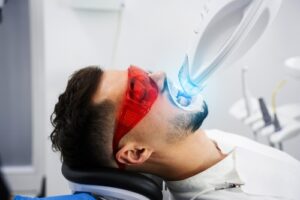
Whitening typically involves hydrogen peroxide or carbamide peroxide, which break down stains and lighten the color of the teeth. In-office treatments use higher concentrations of these chemicals, while at-home products contain lower concentrations, making them safer for home use but requiring longer application times.
Benefits of Teeth Whitening
1. Improved Appearance: A brighter smile is often linked to youthfulness and good health, boosting confidence and self-esteem.
2. Quick Results: In-office treatments provide fast results, often in a single appointment—perfect for preparing for an important event.
3. Minimal Side Effects: Teeth whitening is generally safe when performed by a dentist or with approved products. Any temporary side effects, such as tooth sensitivity or gum irritation, typically resolve within a few days.
Considerations Before Whitening
Before whitening, consult your dentist, especially if you have sensitive teeth, dental restorations, or gum disease. Whitening may not be effective on certain stains, such as those caused by medications or internal discoloration, which may require alternatives like veneers or crowns.
Maintaining good oral hygiene after whitening is key to preventing stains from returning. Avoiding dark-colored foods and beverages, like coffee, tea, and red wine, can help extend the results.
Maintaining a Bright Smile
After whitening, regular brushing and flossing, along with occasional touch-up treatments, will help keep your smile bright. Your dentist may recommend specific products or routines to preserve your results.
In conclusion, teeth whitening is a simple and effective way to enhance your smile. Whether you choose professional treatments or over-the-counter products, a brighter smile is within reach for most people. By consulting with your dentist and following proper aftercare, you can enjoy a radiant smile for years to come.