Gum treatment is required to maintain dental health since healthy gums are critical to the mouth’s general health and can affect the health of other bodily systems. Gum disease, also referred to as periodontal disease, is one of the most common dental disorders that affects millions of people worldwide. The initial stage of gingivitis is characterized by gum swelling, redness, and irritation. Bleeding often happens while you brush or floss. If treatment is not received, gingivitis can progress to periodontitis, a more severe form of gum disease that can cause tooth loss and other serious health issues. The deterioration of the bone and other tissues supporting the teeth results from periodontitis. Gum recession, the formation of pockets between the gums and teeth, and ultimately tooth loss or movement can result from this.
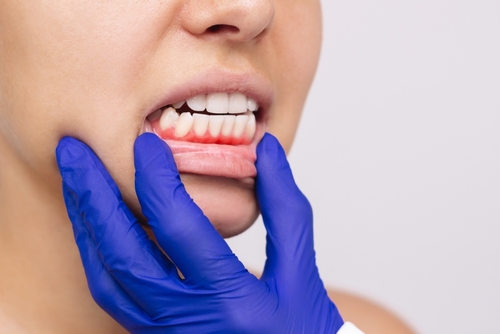
The prevention of gum disease is crucial to the fight against it. Regular dental cleanings and exams make it possible to identify early signs of gum disease and to begin treatment right away. During a typical appointment, a dentist or dental hygienist will assess the gums, checking for signs of inflammation, pocket depth, and overall oral hygiene. They will also give your teeth a thorough cleaning to remove plaque and tartar, which can exacerbate gum disease. Just as important is practicing proper dental hygiene at home. Using mouthwash, flossing once a day, and brushing twice a day with fluoride toothpaste can significantly reduce gum disease. In addition, quitting smoking and implementing a balanced diet may also help to preserve healthy gums.
Individuals with gum disease have varying therapy options depending on the condition’s severity. For minor cases of gingivitis, better at-home care regimens and a thorough dental cleaning are often sufficient. This process involves scaling and polishing to remove plaque and tartar from the teeth and under the gum line. Patients are usually urged to attend follow-up appointments to monitor the condition of their gums and ensure the issue doesn’t get worse.
More intensive therapy may be needed in cases of periodontitis, a more serious form of gum disease. Scaling and root planing is one such non-surgical procedure that necessitates thorough cleaning below the gum line. The dentist or hygienist will use specialist equipment to remove plaque and tartar deposition from the tooth roots, smoothing down the root surfaces in order to encourage the reattachment of the gums. For this treatment, a local anesthetic may be required to guarantee patient comfort. In order to help preserve gum health, patients are often placed on a strict oral hygiene regimen and may be scheduled for more frequent cleanings following scaling and root planing.
Severe gum disease may occasionally necessitate surgery. These can include flap surgery, which involves pulling back the gums to expose the bones and roots, and tissue grafts, which can assist replace missing gum tissue. Laser therapy is another increasingly popular alternative that can reduce discomfort and shorten recovery times. Because periodontal therapy uses lasers to precisely target sick tissue while conserving good tissue, it is less invasive than standard surgical methods.
The relationship between healthy gums and overall health cannot be overstated. Research has indicated a correlation between diabetes, heart disease, respiratory conditions, and periodontal disease. The importance of maintaining healthy gums for both your oral and overall health is emphasized in this link. Patients should take extra care when receiving dental treatment and maintain constant communication with their medical and dental specialists if they have pre-existing medical conditions, especially if those conditions have the potential to exacerbate gum disease.
Strict at-home hygiene routines and a commitment to regular dental examinations are required after gum treatment to maintain healthy gums. It is important to inform patients about the warning signs and symptoms of gum disease and to urge them to seek immediate medical attention if they notice any changes. Encouraging patients to take charge of their oral health and educating them are crucial first measures in the fight against gum disease.
In conclusion, gum treatment is critical to preserving dental and overall health. By identifying the signs of gum disease, getting the right treatment, and realizing the need of preventative care, people can keep healthy gums and, consequently, healthier lives. Thanks to advancements in dental technology and accessible therapies, patients with gum disease now have hope and can continue to enjoy the long-term benefits of good oral health. Regular exams, good oral hygiene, and proactive gum health can all greatly lower the risk of gum disease and its aftereffects.