Finding early signs of the disease is the aim of oral cancer screening, as this can significantly improve treatment outcomes and survival rates. It is a crucial intervention for preventive healthcare. Oral cancer can strike anyone, but some risk factors may increase the likelihood. These include malignancies of the neck, sinuses, hard and soft palates, lips, tongue, cheeks, and floor of the mouth. These include consuming tobacco products, binge drinking, excessive sun exposure, and catching some viral illnesses, such as the human papillomavirus (HPV). Regular oral cancer screenings are recommended because they can identify malignancies early when treatment options are most favorable.
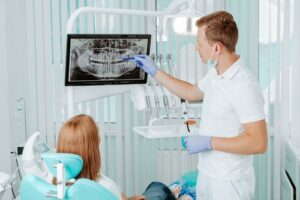
During an oral cancer screening, a dentist will examine the patient’s mouth both physically and visually, searching for any unusual sores, lumps, or patches. This process usually involves looking for abnormalities in the oral tissues, like swelling, red or white lesions, or changes in texture. The dentist will address any symptoms the patient may be experiencing, such as difficulty swallowing, a recurring sore throat, or an unexplained weight loss, in addition to assessing the patient’s medical history. If any suspicious areas are found during the examination, the dentist may recommend further testing, such as a biopsy, to determine whether malignant cells are present. Get your screen with the people at bagnallfamilydentistry.com
The American Dental Association recommends that adults receive an oral cancer screening at least once a year, or more frequently if they fall into a higher-risk category. Frequent testing can improve the chances of early detection and effective treatment. Routine screenings are crucial for everyone, but they are especially important for people with risk factors, as oral malignancies often do not exhibit symptoms when they are initially identified. Its rapid, non-invasive, and painless screening process makes it a simple yet effective tool for protecting one’s health.
Teaching patients the importance of being screened for oral cancer is one of a dentist’s most significant duties. Many people may not be aware of their risk factors or may think that mouth cancer exclusively affects people in particular demographics. Dentists can help debunk these myths by educating the public and emphasizing that oral cancer can affect anybody, regardless of age, gender, or lifestyle choices. Dental professionals can encourage open discussions regarding cancer risks and oral health in order to assist patients in embracing a culture of prevention and early diagnosis.
Along with routine checkups, adopting a healthy lifestyle and maintaining good dental hygiene can significantly reduce the risk of oral cancer. This means eating a balanced diet rich in fruits and vegetables, avoiding alcohol and tobacco products, and applying sunscreen sparingly. Immunization against particular virus strains that may cause oral cancers can help shield those who are more susceptible, like those who have a history of HPV. By being informed of the warning signs and symptoms of oral cancer, which include chronic sores, unexplained bleeding, and voice abnormalities, people can feel empowered to seek medical attention as soon as they see any concerning changes.
It’s as important to comprehend the psychological fallout from an oral cancer diagnosis. Families of cancer patients may go through a great deal of uncertainty and fear. Providing full support, including access to counseling and support groups, can be very beneficial in helping patients get over the challenges of being diagnosed with oral cancer and going through treatment. To ensure that everyone is informed and that the patient has the assistance they require along the way, it is crucial to keep lines of communication open between patients, families, and healthcare providers.
In summary, early detection and treatment of oral cancers can be achieved through oral cancer screening, which is a crucial component of preventive dental care. By encouraging regular screenings, educating patients about risk factors, and supporting healthy lifestyle choices, dental professionals can greatly reduce the incidence of oral cancer. The importance of having open discussions about dental health cannot be overstated, as they promote a proactive approach to cancer prevention. We can work to lower the prevalence of oral cancer and ensure that patients receive the timely care they need for better health outcomes by promoting ongoing education, raising awareness, and conducting routine exams.